Photo credit: Drive Tribe
Jan Fatthauer started 9ff in 2001 with a clear goal. He wanted to take Porsche chassis and push them further than anyone else had. Fatthauer had spent years working at places like Brabus and Ruf, learning the ins and outs of high-performance builds. By 2004 his team had already set a speed record with a modified 996 series 911 that hit 231 mph at the Nardo test track. That early success set the tone for everything that followed, including the GT9.
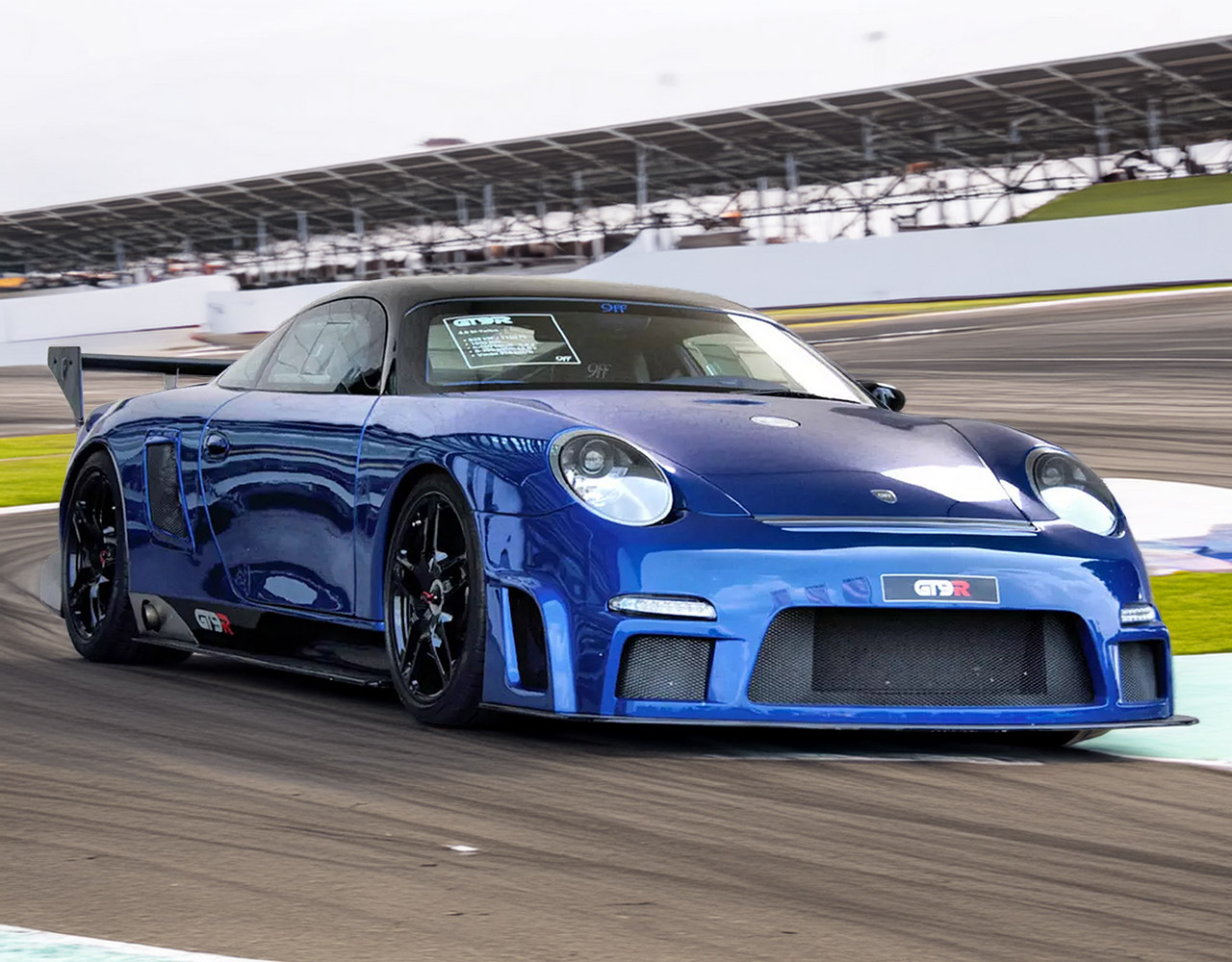
The GT9 arrived in 2008, built on the 997 generation Porsche 911 GT3 platform. From the outside it looked like a 911 but every part inside had been reworked. The flat six engine was moved from the back to the middle of the car. This improved balance and made the car handle better during hard cornering or straight line blasts. The body panels were made of carbon fiber and Kevlar to save weight without losing strength. The seats were covered in blue leather and a roll cage was added for track use.
Sale

LEGO Speed Champions Porsche 911 GT3 RS Super Car 77239 | Building Toy for Boys & Girls, Ages 9+, 348 Pieces, Toy Car for Kids, Gift for Birthdays
- BUILD A RACING LEGEND – Boys and girls ages 9 years old and up can construct the LEGO Speed Champions Porsche 911 GT3 RS Super Car (77239) building set and collect this iconic sports car model
- AUTHENTIC PORSCHE DETAILS – Young builders can recreate the real-life vehicle's signature elements including the famous rear wing, air intake features on the hood, distinctive headlights, and novelty rims
- 1 PORSCHE DRIVER MINIFIGURE – Kids can place the driver minifigure with helmet and red Porsche Track Day Experience outfit behind the wheel to stage their own track-day racing action
$26.99
−$5.40
$21.59

Buy on Amazon
Power came from a 4.0 liter flat six with twin turbochargers, custom intercoolers and upgraded internals like forged pistons and stronger connecting rods. In standard setup the engine delivered 987 horsepower and 711 lb-ft of torque to the rear wheels. A six speed manual or sequential Tiptronic transmission handled the output. With a dry weight of 2,930 lbs the car hit 60 mph in 3.2 seconds and 254 mph. Those numbers put it in the same league as factory supercars from bigger names but at a fraction of the development cost.

But Fatthauer and his team didn’t stop there. They offered upgrades for different drivers. The GT9-CS was a one off track special built in 2011 and had 738 horsepower for better control on the circuit. It lost 190 lbs with a new rear wing and revised air intakes and kept the mid engine layout for better cornering. Drivers who wanted more aggression turned to the GT9-R introduced in 2009. This stage three build had 1,120 horsepower with larger turbos, titanium rods and a reinforced block. Torque was 840 lb-ft and top speed was 257 mph. 0-60 in under 3 seconds made it a drag strip terror wrapped in a road car body.
Each version shared common threads that defined the GT9’s personality. Suspension made use of adjustable coilovers from top tier motorsport suppliers, paired with huge Brembo brakes – 380-millimetre front discs clamped down on by six-piston calipers – a whole bunch. The wheels were 19 inches all around, and they were wrapped in super grippy Continental SportContact tires that were certified to handle some seriously high speeds. The aerodynamics were all about keeping things stable, so they gave it a slanted roofline and some clever diffusers to sort out airflow when you’re going 100mph or more. Even though only 150 of these things were ever made, and only 20 got the full fat GT9-R treatment, each one still cost over half a million euros – just remember, that’s the price you pay for a hand-built car.

By the time 2012 rolled around, the GT9 project was playing at its absolute best with the Vmax edition. That involved stretching the engine to 4.2 liters, shoving even bigger Garrett turbos in there which would push 29 psi of boost, and then slapping in some high-tech billet crankshafts and high flow injectors. That bumped the output all the way up to 1,381 horsepower and 855 pounds of torque, all going to the rear wheels. Weight stayed steady at 2,950 pounds because they used polycarbonate side and rear windows, so it was still looking pretty mean. 9ff claimed a top speed of 272mph which was later verified under proper motorsport supervision. And you know, from standstill to 60mph in 3.1 seconds and 124mph in 6.8 seconds – those sort of numbers just blur the line between ‘cool car on the road’ and ‘bonkers land-speed record contender’.

That Vmax debut happened at the Essen motor show where crowds just gathered around this sleek black prototype because it just looked that good. Reporters wrote that the engine sounded like a fighter jet taking off because they’d fitted the cooling system and cam timing from a race car. 9ff pretty much dared the competition to match it with the Bugatti Veyron, with Fatthauer making it clear he thought they could take on anyone. Videos from the event show the exhaust barking away through those external wastegates – a pretty good reminder of the raw mechanical fury that was hidden inside that compact little car.
It all came crashing down about a year later when 9ff went bankrupt, in September of 2013. They sorted themselves out fast enough and shifted focus onto newer Porsches like the 991 and 992, but the GT9 project just ended abruptly, leaving just a handful of these things in existence now. They’re collector’s items basically, and you’re as likely to see one on the road as you are a unicorn. One of the Vmax ones showed up at auction a few years later and people were prepared to pay serious cash for it, which just goes to show how rare these cars are.